
AI SUMMARY:
Alcohol misuse and mental health difficulties can influence one another. Some people use alcohol to manage stress, anxiety, low mood or uncomfortable emotions because drinking may provide temporary relief. However, repeated reliance on alcohol can affect sleep, emotional regulation, relationships and psychological wellbeing. Understanding the reasons behind drinking patterns can help individuals recognise when additional support may be beneficial.
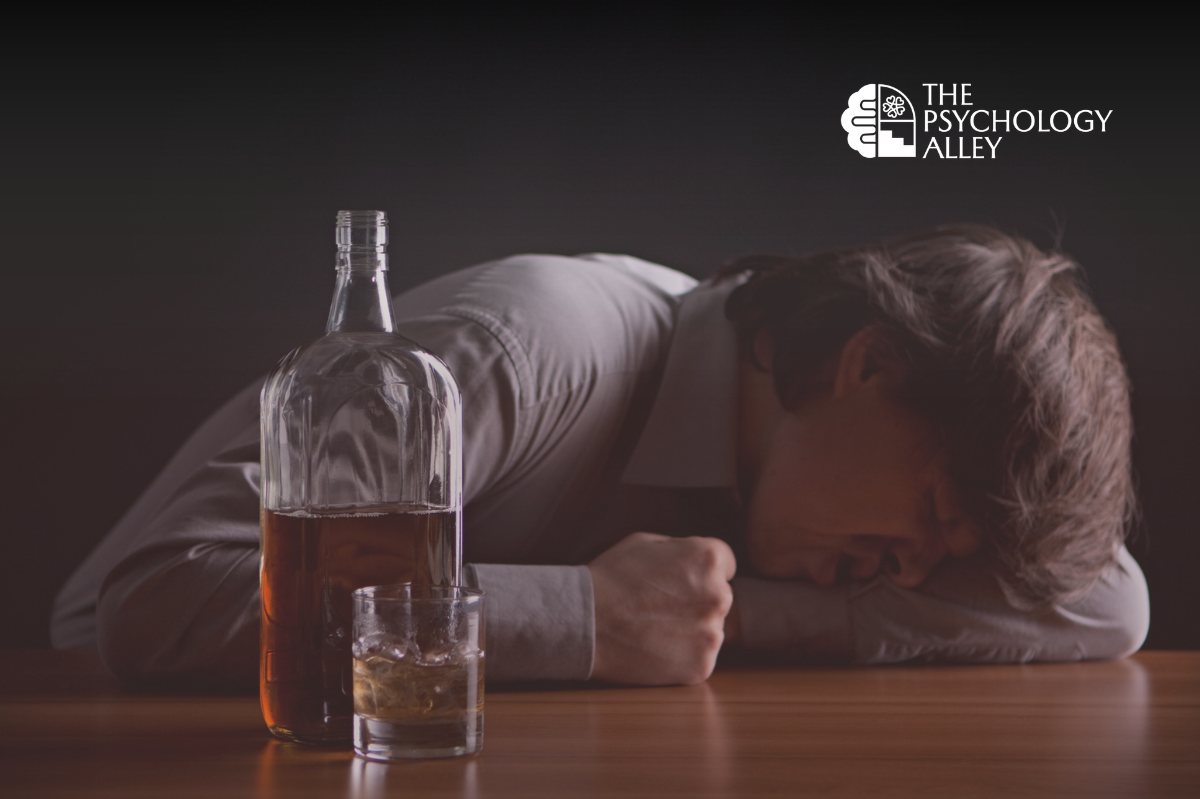
When Does Drinking Become a Way of Coping?
After a difficult day, having a drink may feel like a way to unwind.
Perhaps alcohol helps you feel less anxious in social situations, temporarily quietens persistent thoughts or provides relief from emotional exhaustion.
For some people, drinking gradually becomes part of how they manage uncomfortable experiences.
You might notice that you are more likely to drink after arguments, stressful workdays or periods of loneliness.
Over time, alcohol may begin to feel less like a choice and more like something you need to feel comfortable.
This does not necessarily mean someone has an alcohol use disorder. However, it may indicate that drinking has become an important emotional coping strategy.
Understanding the relationship between alcohol misuse and mental health can be a useful starting point.
How Are Alcohol and Mental Health Connected?
Alcohol affects the central nervous system and can influence mood, judgement, sleep and emotional responses.
Although drinking may initially produce feelings of relaxation, its effects can become more complicated over time.
Alcohol use may contribute to:
Increased anxiety after drinking.
Changes in mood and emotional stability.
Difficulty concentrating.
Reduced motivation.
Impulsive decisions.
Mental health difficulties can also influence drinking behaviour.
Someone experiencing persistent anxiety may drink to feel calmer, while another person experiencing depression may use alcohol to temporarily escape feelings of sadness or emptiness.
These patterns can reinforce one another.
Why Does Alcohol Sometimes Feel Helpful?
Alcohol can temporarily reduce inhibitions and change how people experience emotions.
For someone who feels constantly tense, this may create a short period of relief.
For someone experiencing self-critical thoughts, drinking may seem to make those thoughts less noticeable.
However, temporary relief does not necessarily address the underlying concern.
If alcohol repeatedly becomes the main strategy for managing distress, other coping approaches may receive less attention.
Over time, the person may become increasingly reliant on drinking when difficult emotions arise.
This can create a pattern in which alcohol feels helpful in the short term while contributing to additional difficulties later.
Alcohol and Anxiety: Can Drinking Make Worry Worse?
Alcohol and anxiety can have a complicated relationship.
Some people drink because they feel anxious.
For example, alcohol may seem to make social interactions easier or reduce tension after a demanding day.
However, alcohol can disrupt sleep and contribute to anxiety as its effects wear off.
Someone may wake the following morning feeling restless, worried or physically uncomfortable.
If they interpret these sensations as evidence that something is wrong, their anxiety may increase further.
For people experiencing persistent anxiety, drinking can sometimes become part of an ongoing cycle of temporary relief and renewed distress.
Psychological support may help identify this pattern and develop alternative coping strategies.
Alcohol and Depression: Understanding the Emotional Impact
Depression can affect motivation, energy, concentration and the ability to experience pleasure.
Some people use alcohol to manage low mood or emotional numbness.
However, alcohol can worsen depressive symptoms and interfere with everyday functioning.
For example, someone may drink to escape feelings of sadness but subsequently experience disrupted sleep, reduced motivation and greater difficulty managing responsibilities.
These consequences may contribute to further self-criticism or hopelessness.
Not everyone who drinks while experiencing depression has an alcohol use disorder.
Nevertheless, it is important to consider whether drinking is affecting emotional wellbeing or making recovery more difficult.
What Are the Signs That Alcohol Is Becoming an Unhelpful Coping Strategy?
The amount someone drinks is relevant, but it is not the only consideration.
The reasons for drinking and its consequences also matter.
Possible warning signs include:
Drinking primarily to manage uncomfortable emotions.
Finding it difficult to relax without alcohol.
Drinking more than originally intended.
Feeling increasingly preoccupied with the next opportunity to drink.
Continuing to drink despite relationship or health concerns.
Experiencing guilt or regret after drinking.
Finding that alcohol interferes with work, sleep or daily responsibilities.
These experiences do not establish a diagnosis on their own.
However, they may indicate that a professional conversation would be useful.
How Can Psychological Therapy Help?
Psychological therapy can help people explore the relationship between emotions, thoughts and drinking behaviour.
Cognitive Behavioural Therapy (CBT) may support individuals in identifying situations that trigger drinking and developing alternative responses.
For example, someone who drinks after stressful workdays may explore the thoughts, emotions and routines associated with that behaviour.
Therapy may also address underlying anxiety, depression, trauma-related difficulties or emotional regulation concerns.
Some individuals may benefit from motivational approaches that explore ambivalence about changing alcohol use.
Where alcohol dependence or significant substance-related difficulties are present, specialised alcohol and other drug services or coordinated medical care may be necessary.
Treatment should be matched to the person's needs.
When Should You Seek Professional Support?
Consider seeking support if alcohol use is becoming difficult to control or is affecting your mental health, relationships or responsibilities.
If you drink heavily or regularly and may be physically dependent on alcohol, seek medical advice before abruptly stopping. Alcohol withdrawal can be medically dangerous.
At The Psychology Alley, our psychologists can discuss mental health concerns, emotional coping patterns and appropriate psychological support or referral pathways.
The goal is not to judge why someone drinks. It is to understand what alcohol may be helping them manage and identify healthier ways to respond.
Frequently Asked Questions
-
Yes. Although alcohol may temporarily reduce anxiety, it can contribute to sleep disruption, physical discomfort and increased anxiety afterwards.
-
Not necessarily, but regularly relying on alcohol to manage distress may indicate an unhelpful coping pattern worth exploring.
-
Yes. Some people use alcohol to manage low mood or emotional discomfort. Alcohol use can also contribute to worsening depressive symptoms.
-
CBT may help individuals identify triggers, understand drinking-related beliefs and develop alternative coping strategies. Some people require specialised addiction treatment.
-
Professional support may be useful when drinking feels difficult to control, causes distress or affects health, relationships or daily functioning.
If stress, anxiety or emotional difficulties are affecting your wellbeing, contact The Psychology Alley in Sydney CBD to discuss appropriate psychological support and referral options.
