
The Unseen Burden: Eating Disorders and Trauma in the LGBTQ+ Community
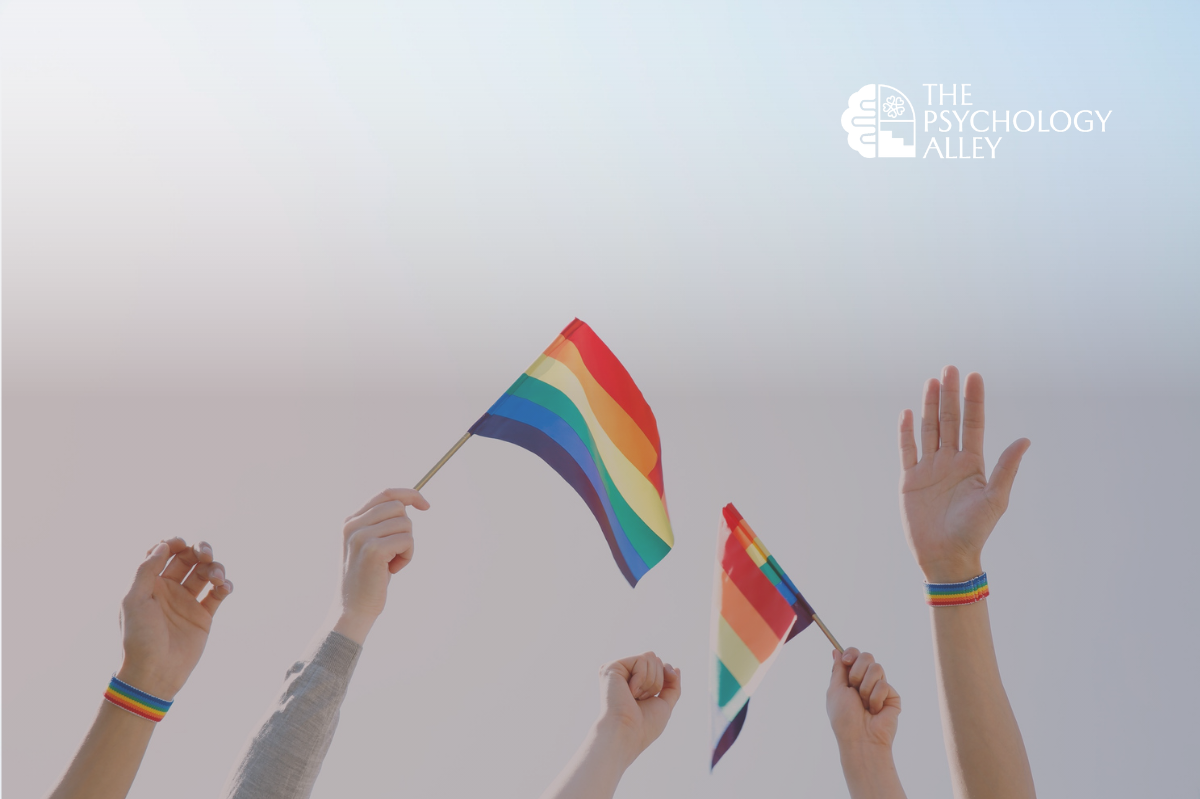
When we talk about eating disorders, the public conversation often focuses on a very narrow stereotype. But the reality is that eating disorders and body image struggles disproportionately affect the LGBTQ+ community.
Research shows that sexual minority adults have two to four times greater odds of experiencing an eating disorder compared to heterosexual, cisgender people. For transgender and gender-diverse young people, the numbers are even higher.
These statistics are not random. They are deeply connected to the unique layers of stress, discrimination, and trauma that many LGBTQ+ individuals carry from a young age.
Understanding "Minority Stress"
Living as a marginalised person in a society that is not always accepting takes a heavy psychological toll. Psychologists call this minority stress. This is not everyday stress—it is chronic, predictable stress directly tied to a person's identity.
This stress shows up in a few key ways:
Direct experiences of discrimination, rejection by loved ones, or facing harassment and violence.
Navigating the world with a constant sense of alertness, anticipating that you might be rejected or treated unfairly simply for being who you are.
Unconsciously absorbing negative societal attitudes about your own identity, which can lead to deep self-criticism or shame.
Feeling forced to conceal your identity to stay safe, which is an incredibly exhausting and isolating process.
This constant state of high alert keeps the nervous system trapped in a perpetual "fight-or-flight" response, which can lead to clinical trauma or PTSD.
How Eating Disorders Become a Coping Mechanism
When someone is dealing with relentless minority stress or trauma, eating disorder behaviours can sadly become a way to survive. They are rarely just about food or weight. They are often an attempt to manage painful emotions.
In a world that can feel unpredictable and hostile, controlling what goes into your body can feel like the only thing you have complete power over.
Restricting food, bingeing, or purging can be used to numb intense feelings of anxiety, depression, or distress.
For transgender or non-binary individuals, changing their eating habits might be a desperate attempt to modify their body shape to better align with their true gender identity, or to stop certain physical developments.
Certain parts of the LGBTQ+ community, such as the gay male community, can place an intense focus on specific lean or muscular physiques, leading to severe body dissatisfaction.
Multiple Layers: When Stress Multiplies
This burden becomes even heavier when an individual belongs to more than one marginalised group.
For an LGBTQ+ person who is also a First Nations Australian, a person of colour, living with a disability, or from a low-income background, these stressors do not exist in isolation. Racism, ableism, and classism intersect with homophobia and transphobia.
These overlapping layers create deep vulnerabilities, making it even harder to find support. Finding a healthcare professional who understands all aspects of your identity can be a significant barrier to recovery.
Next Step
True healing involves looking beneath the symptoms of an eating disorder to address the root causes: the trauma, the stress, and the systemic discrimination you may have faced.
At The Psychology Alley, we provide a safe, affirming, and quiet space where you do not have to explain or justify your identity. Our team works with adults to help you:
Process early trauma and experiences of rejection in a gentle, non-judgmental environment.
De-escalate the chronic "fight-or-flight" response in your nervous system.
Develop safe, supportive ways to regulate intense emotions without relying on disordered eating.
Build a kinder, more compassionate relationship with your body.
Your identity is a part of who you are, but the stress of carrying it alone does not have to rule your life. When you are ready to explore your path to recovery, we are here to support you every step of the way.
Written By: HOÀNG LÊ MINH DŨNG (MD)